What to Know Before Getting Dental Crowns in Oxnard CA
If your dentist has recommended a crown, the news can land in two very different ways. Some people feel relieved that a damaged tooth can be saved. Others hear the word "crown" and immediately think of drilling, cost, multiple appointments, or the possibility that something has gone badly wrong. In practice, a dental crown is one of the most common restorative treatments in everyday dentistry, and for good reason. When a tooth is too weakened for a filling but still healthy enough to keep, a crown often gives that tooth a second life.
For patients considering Dental Crowns Oxnard CA, the decision is not just about whether a crown can be placed. It is about whether a crown is the right solution, what kind of crown makes sense for your bite and budget, how long the process takes, and what you should expect once it is in place. Those details matter. The best outcomes usually happen when patients understand the trade-offs before they sit in the chair.
Why dentists recommend crowns in the first place
A crown is essentially a custom-made cap that covers the visible part of a tooth. It restores shape, strength, and function, and in many cases it improves appearance too. That sounds simple, but the reason behind the recommendation can vary quite a bit.
One common situation is a tooth with a large cavity or a large old filling that has left too little healthy structure behind. Another is a cracked tooth, especially a molar that has been absorbing years of heavy chewing forces. Crowns are also frequently used after root canal treatment because those teeth tend to become more brittle over time. Cosmetic concerns come up as well, especially when a front tooth is deeply discolored, worn down, or misshapen.
What matters here is that a crown is not always the first option, and it should not be used casually. Good dentists typically preserve as much natural tooth structure as possible. If a conservative filling, bonding procedure, or onlay will do the job reliably, many clinicians prefer that route. A crown makes the most sense when strength and long-term stability are the bigger priorities.
Not every damaged tooth needs the same type of crown
This is where patients often get confusing information. They hear terms like porcelain, zirconia, ceramic, PFM, lab-made, same-day, and temporary, then try to compare them as if there is one universal winner. There is not.
The right crown depends on where the tooth is located, how you bite, whether you grind your teeth, how much natural tooth remains, and how visible that tooth is when you smile. A front tooth and a back molar live very different lives. A front tooth needs to look natural in changing light, especially near the gumline. A back molar needs to tolerate years of chewing pressure, often from multiple directions.
All-ceramic crowns can look excellent, especially in the front of the mouth. Zirconia crowns are popular because they combine strength with a good appearance, and they have become a common choice for posterior teeth. Porcelain-fused-to-metal crowns are still used in some cases, although many patients now prefer metal-free options when appropriate. Full gold crowns remain one of the most durable restorations in dentistry, but they are less common because of appearance and material cost.
The main point is this: a crown material is not better just because it is newer, more expensive, or marketed as premium. It needs to suit the actual tooth.
What the crown process usually looks like
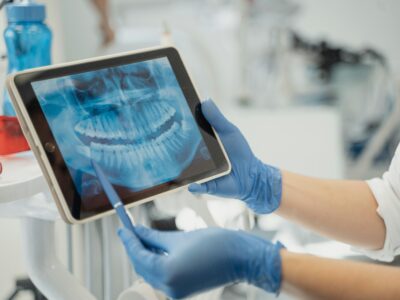
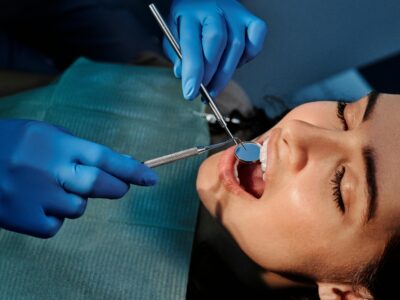
For many people, the biggest fear is not the crown itself but the unknowns around the procedure. In a traditional process, the dentist numbs the area, reshapes the tooth so the crown can fit over it, and takes a detailed impression or digital scan. A temporary crown is usually placed while the final crown is made by a dental lab. At a later visit, the temporary comes off and the permanent crown is checked for fit, bite, color, and contact with neighboring teeth before it is cemented.
Same-day crowns can shorten that timeline. Some offices use in-house scanning and milling technology to design and create certain crowns during one visit. That can be convenient, especially for busy patients who do not want a temporary or a second appointment. Still, same-day is not automatically the best route for every case. Complex esthetic cases, difficult bites, and certain material choices may still benefit from a skilled lab technician’s involvement.
Patients sometimes assume the tooth underneath a crown is gone or dead. It is not. The natural tooth remains, though it is reshaped. If the nerve is healthy before treatment, the tooth may not need a root canal. That said, some teeth are already so compromised by decay, cracks, or old work that additional treatment becomes necessary either before or after crown preparation.
Questions worth asking at your consultation
The quality of a crown case often depends on the quality of the conversation beforehand. A rushed consultation tends to lead to mismatched expectations. A thoughtful one can spare you discomfort, confusion, and unplanned expense.
Here are a few questions that usually lead to better decisions:
- Why is a crown the best option for this tooth instead of a filling, bonding, or onlay?
- What material do you recommend for my specific tooth, and why?
- Will I need a buildup, root canal, or gum treatment before the crown is placed?
- How long should this crown realistically last in my case?
- What happens if the tooth cracks further or symptoms change before the final crown goes on?
You can learn a lot from how a dentist answers these questions. Clear, practical explanations are a good sign. Vague reassurances are less helpful. Dentistry is full of judgment calls, and a good clinician should be able to explain the reasoning behind the recommendation in plain language.
The temporary crown matters more than many people realize
Temporary crowns tend to be treated like a minor in-between detail, but they can shape the whole experience. A well-made temporary protects the prepared tooth, keeps nearby teeth from shifting, allows you to function reasonably well, and gives you a preview of size and contour. A poor temporary can lead to sensitivity, discomfort when chewing, gum irritation, or even movement of the tooth before the final crown is ready.
This becomes especially important if your front teeth are involved. Shape, length, and speech are easier to adjust if problems are noticed during the temporary phase. Many patients do not realize they should speak up if something feels off. If the temporary is too bulky, too short, or catches strangely when you bite, say so. Those details can help guide the final result.
It is also wise to treat the temporary gently. Sticky Dental Crowns Oxnard CA foods are notorious for pulling them loose. Hard chewing on that side can crack them. If a temporary crown comes off, call the office promptly. Waiting too long can allow the tooth to shift enough to complicate the final fit.
Cost in Oxnard, and why estimates can vary
Patients understandably want a firm number before they commit. With crowns, the estimate can vary because the crown itself is only one part of the case. The total can reflect the exam, X-rays, digital scan or impressions, buildup material, temporary crown, final cementation, and any related procedures needed first. If the tooth needs a root canal or gum treatment, the cost rises accordingly.
In a market like Oxnard, fees can also differ based on the office, the material chosen, the complexity of the case, and whether the office works in-network with your dental insurance. An uncomplicated crown on a straightforward tooth is different from restoring a tooth that is deeply broken, hard to isolate, or near the gumline.
Insurance usually helps when the crown is medically necessary, but plans often come with annual maximums, waiting periods, and replacement limitations. It is common for patients to discover that insurance will only cover a percentage after the deductible, or that a crown on a tooth restored too recently may be denied. That does not necessarily mean the treatment is unnecessary. It simply means dental insurance has its own rules, which are not always aligned with clinical judgment.
If you are comparing offices for Dental Crowns Oxnard CA, compare more than the fee. A lower price is attractive, but it does not tell you about material quality, lab quality, time spent on bite adjustment, or how the office handles complications.
Fit and bite are everything
People often focus on whether the crown looks natural, and that is understandable, especially for visible teeth. But from a functional standpoint, fit and bite can matter even more.
A crown that is slightly high can make chewing uncomfortable and leave the tooth feeling sore or "off" for days. A crown with an open margin can allow bacteria to sneak in over time, increasing the risk of recurrent decay. A contact point that is too tight can make flossing miserable. One that is too loose can trap food and irritate the gum.
These issues are not always signs of bad dentistry. Even carefully made crowns sometimes need chairside adjustment because the mouth is a living system, not a static mold. The key is that the office should check these details carefully and encourage follow-up if something still feels wrong after the numbness wears off.
A useful rule of thumb is this: mild awareness of a new crown is normal for a short time, but persistent pain, sensitivity that worsens, pain on release when biting, or the feeling that your teeth no longer meet evenly should be evaluated.
Front teeth and back teeth have different priorities
Patients are often surprised by how different the planning can be depending on where the crown is going. A crown on a front tooth has to blend with neighboring teeth in color, translucency, shape, and texture. Matching one upper front tooth can be one of the most demanding tasks in restorative dentistry. Light reflects differently through natural enamel than through restorative material, and small differences become obvious quickly.
A back tooth crown is a different challenge. Strength, contour, bite forces, and access are often the dominant concerns. If you clench or grind at night, your dentist may lean toward a stronger material even if another option might look slightly more natural. If the opposing tooth is also restored, material choice may be influenced by wear patterns on both sides.
This is why online before-and-after photos can be misleading. A beautiful cosmetic case does not necessarily tell you how a practice handles heavily loaded molars, and a practice known for strong functional restorations may still refer highly esthetic front tooth work to a colleague with a different focus.
When a crown is not enough by itself
One of the most important realities to understand is that crowns do not rescue every tooth. Sometimes the damage extends below the gumline. Sometimes the crack runs too deep. Sometimes there is not enough remaining tooth structure to hold a crown predictably without additional support.
In those cases, the dentist may discuss a buildup, a post after root canal treatment, crown lengthening, or even extraction with replacement options such as an implant or bridge. That can be disappointing, especially if you were hoping for a simple fix, but avoiding those conversations does not improve the prognosis.
Experienced dentists tend to be frank about borderline teeth. A tooth can sometimes be crowned successfully, but success may come with a shorter expected lifespan, higher maintenance, or the possibility that further treatment will still be needed. Patients deserve to know when they are investing in a compromise rather than a clear long-term solution.
How long crowns last, realistically
Most patients want a clean lifespan number, something like ten years or fifteen years. Real life is messier. Many crowns last well over a decade. Some fail earlier. The major variables are Dental Crowns Oxnard CA bite force, oral hygiene, decay risk, gum health, material choice, and the amount of healthy tooth left underneath.
A crown does not get cavities, but the tooth at the margin can. That is one of the most common reasons crowns fail. Another is fracture, either of the ceramic or the remaining tooth structure. Cement washout, gum recession, and chronic grinding can all shorten lifespan.
A patient who brushes carefully, flosses consistently, gets regular maintenance, and wears a night guard when indicated will usually get more life out of a crown than someone with heavy clenching, dry mouth, frequent sugar exposure, and inconsistent dental care. That is not a moral judgment. It is just how restorations behave over time.
Recovery and aftercare are usually straightforward
Most crown appointments do not require a dramatic recovery period. You may have temporary soreness around the gums for a day or two, and some teeth remain sensitive to temperature for a short time, especially if the preparation was deep. Once the final crown is cemented, the area can feel unfamiliar until your tongue and bite adapt.
Aftercare is mostly common-sense dentistry:
- Brush gently but thoroughly along the gumline.
- Floss daily, pulling floss through to the side if your dentist advises it.
- Avoid chewing ice, hard candy, and other tooth-breaking habits.
- Wear a night guard if you clench or grind.
- Return for bite adjustments if the crown feels high or uncomfortable.
That last point gets overlooked. Patients sometimes assume they should "give it time" for weeks. A minor bite discrepancy can usually be corrected quickly, and doing so early can prevent ongoing irritation.
Local factors in Oxnard that can influence your decision
Choosing a provider for Dental Crowns Oxnard CA is not only about credentials on a website. It helps to think practically about follow-up access. Crowns occasionally need bite adjustment, recementation of a temporary, or evaluation of sensitivity. A nearby office with reasonable scheduling can make that process easier than a long drive across the county.
Oxnard patients also tend to reflect the same broad mix seen in many coastal California communities. Some want highly esthetic work on visible teeth. Others are balancing restorative needs with family budgets and insurance limitations. Some are dealing with wear from stress-related clenching, which has become increasingly common in adults of all ages. Those realities shape treatment planning more than marketing language does.
A dentist who serves this kind of patient base well usually explains options in plain terms, shows where the tooth is compromised, and gives practical guidance rather than hard sales pressure. If you feel rushed into treatment without a clear explanation of alternatives, it is reasonable to pause and get another opinion.
Signs you may want a second opinion before proceeding
Most crown recommendations are routine and appropriate. Still, there are times when a second opinion makes sense. If a tooth is not painful, and the recommendation feels sudden or based on a vague explanation, asking another dentist to evaluate it can be wise. The same applies if the proposed treatment is extensive, involves multiple crowns at once, or comes attached to a large financial commitment.
A second opinion can also help if you have been told a crown is needed on a front tooth and esthetics are especially important to you. Matching visible teeth requires skill, communication, and often a careful partnership between dentist and lab. There is nothing disloyal about wanting confidence before proceeding.
The goal is not to shop endlessly for the answer you like best. The goal is to understand your options and the reasoning behind them.
A crown should solve a problem, not create a new one
At its best, a crown disappears into daily life. You chew normally, the tooth feels stable, the gum stays healthy, and you stop thinking about it. That is the standard patients should hope for. Not perfection in the abstract, but comfort, function, and durability grounded in good planning.
If you are weighing Dental Crowns Oxnard CA, focus on the fundamentals. Why is the crown needed? Is the tooth restorable for the long haul? What material fits your situation? What other treatment might be required? How will the office handle temporary care, bite adjustments, and follow-up if something does not feel right?
Those questions tend to lead to better dentistry than chasing the cheapest fee or the flashiest promise. A crown is a routine procedure, but it is still custom work. When the diagnosis is sound and the details are handled well, it can be one of the most worthwhile investments you make in your oral health.
Omni Dental Specialty
1690 E Gonzales Rd
Oxnard, CA 93036, United States
Phone: +1 805-410-9603
FAQ About Dental Crowns Oxnard CA
What is the average cost of a crown in California?
The fee depends on the crown material, tooth condition and any additional treatment. Request an itemized estimate from Omni Dental Specialty after an examination, and confirm insurance benefits before scheduling.
How long do dental crowns last?
Longevity varies with the material, fit, oral hygiene and biting habits. Regular dental reviews help identify wear, damage or decay. A crown does not need replacement solely because it reaches a particular age.
Do teeth go bad under crowns?
Decay can develop in the remaining natural tooth, particularly near the crown margin. Brush with fluoride toothpaste, clean between teeth daily and keep dental appointments. Report new pain or looseness promptly.
Which crown is best for bruxism?
No material suits everyone. Your dentist assesses grinding, tooth position, bite forces and appearance before recommending a crown. A protective appliance may also be recommended to manage stress on the restoration.