How to Care for Your Dental Crowns in Oxnard CA
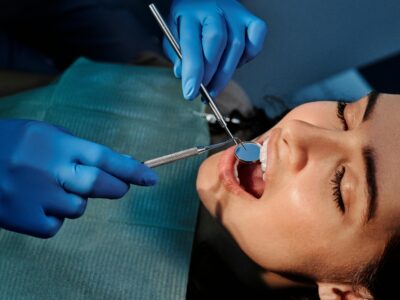
A dental crown can do a lot of heavy lifting in your mouth. It restores shape, protects a weakened tooth, and lets you chew without wincing every time something crunchy ends up on one side. When a crown fits well, most people stop thinking about it after a few days. That is usually a good sign. The crown feels like part of the tooth, and daily life gets back to normal.
What many people miss is that a crown is durable, not indestructible. It still depends on the health of the tooth underneath it, the gum tissue around it, and the habits you bring to the table every day. I have seen beautiful crowns last well over a decade, and I have also seen newer crowns fail early because of grinding, poor home care, or simple misunderstandings about what a crown can and cannot handle. Good care is not complicated, but it does need to be consistent.
If you have recently received one of the many types of Dental Crowns Oxnard CA patients rely on, or you have had one for years and want to keep it in excellent shape, the basics matter more than gimmicks. The goal is not just to protect the crown itself. The goal is to protect the whole tooth, the bite, and the surrounding gum tissue so the crown can keep doing its job for as long as possible.
What a crown actually needs from you
A crown covers the visible part of a tooth, but it does not wrap the entire tooth in permanent armor. The margin, where the crown meets the natural tooth, is especially important. That edge can trap plaque if brushing or flossing gets sloppy. Decay can still form at the margin. Gum inflammation can still develop around it. If the tooth had a root canal before the crown was placed, the inside of the tooth may no longer feel pain in the usual way, which means a problem can sometimes grow quietly before you notice it.
Material matters too. Porcelain, zirconia, porcelain fused to metal, and gold each have different strengths and wear patterns. A zirconia crown, for example, is impressively strong, but strength does not cancel out the effects of clenching, poor bite balance, or using your teeth as tools. A porcelain crown can look incredibly natural, especially on front teeth, but it still benefits from a little common sense when biting into hard foods.
A crown works best when three things stay stable: the bite, the gumline, and the seal. If one of those starts to change, your dentist may be able to make a small adjustment before the problem gets bigger.
The first few days after placement are worth paying attention to
The first 48 hours tell you a lot. Some sensitivity to cold, pressure, or temperature changes can be normal after a permanent crown is cemented, especially if the tooth still has a live nerve. Mild tenderness around the gums is also common because the area has been worked on. Most patients improve quickly.
What should concern you is a bite that feels obviously high, a sharp edge that scrapes your tongue, or pain that increases instead of settling down. A crown that is even slightly too tall can change how your teeth meet. People adapt without realizing it, then return weeks later with jaw soreness, headaches, or a cracked cusp on a neighboring tooth. A tiny adjustment in the office often solves what feels like a major issue.
Temporary crowns deserve mention too. People tend to underestimate them because they know the final crown is coming soon. Still, the temporary protects the prepared tooth, maintains spacing, and helps you function while the lab work is completed. Sticky candy, gum, and hard chewing on that side can pull a temporary crown loose. If that happens, call your dental office rather than trying to improvise for days.
Your daily routine matters more than the crown material
The best crown in the world will struggle in a mouth that is not cleaned well. Most failures I see are not dramatic. They are gradual. Plaque gathers at the margin. The gumline gets puffy. Flossing starts bleeding. A patient assumes the crown itself cannot decay, which is true, but the tooth underneath absolutely can.
The good news is that a crown does not require a fancy routine. It requires a reliable one. A soft toothbrush, fluoride toothpaste, careful flossing, and regular cleanings do most of the heavy lifting. If your gums are healthy and the bite is balanced, a crown usually behaves very well.
Here are the habits that make the biggest difference:
- Brush twice a day with a soft bristled toothbrush and fluoride toothpaste, paying close attention to the gumline around the crowned tooth.
- Floss once a day, sliding the floss gently along the side of the crown instead of snapping it down hard into the gums.
- If food catches around the crown, use a water flosser or interdental cleaner if your dentist recommends it.
- Wear a night guard if you grind or clench, especially if you have already chipped enamel or cracked restorations.
- Keep your regular dental checkups so small issues can be adjusted early.
That may sound basic, but basic done well is what preserves crowns. I have had patients ask whether a special whitening toothpaste or a hard charcoal paste will “clean the crown better.” Usually, the answer is no. Many abrasive products create more trouble than benefit, especially at the gumline. Smooth, gentle cleaning beats aggressive scrubbing every time.
Flossing around crowns, without damaging anything
People often become strangely timid around a new crown. They worry that flossing will pull it off. With a properly cemented permanent crown, normal flossing should not dislodge it. In fact, avoiding floss is one of the fastest ways to invite inflammation around the margin.
Technique matters. Ease the floss down with control, hug one side of the tooth in a C shape, and move it up and down a few times. Then do the same on the other side. On a bridge, where one or more teeth are replaced and the restoration is attached to neighboring crowns, the cleaning method changes. In that case, a floss threader, super floss, or other tool may be needed to clean under the pontic. Your dentist or hygienist should show you the right approach, because those spaces are often where plaque quietly accumulates.
If a crowned tooth consistently shreds floss, that is not something to ignore. It may mean there is a rough margin, a bit of excess cement, or a contour problem. None of those should be diagnosed at home. They are usually simple for a dentist to evaluate and, if needed, smooth or correct.
Food habits that help crowns last longer
Crowns are designed to chew real food. You do not need to live on soup and scrambled eggs forever. Still, there is a difference between normal chewing and testing the limits of a restoration several times a day.
The usual culprits are ice chewing, popcorn kernels, hard nuts cracked with the back teeth, and sticky candies that tug at restorations. Front crowns have their own stress points. Tearing open packages, biting fingernails, and crunching directly into very hard foods can chip porcelain or stress the underlying tooth.
One practical rule works well: if a food or habit makes you nervous with your natural teeth, it is not kinder to your crown. This comes up often with healthy people who snack on ice out of habit. It feels harmless until a tiny fracture forms, or the opposing tooth starts to show wear. I have seen patients with a single chipped crown who assumed the material was defective, only to remember they chew pellet ice every afternoon.
Acidic drinks deserve a brief mention too. Soda, sports drinks, citrus water, and frequent sipping of acidic beverages do not usually damage crown material directly, but they can irritate the surrounding environment. Acids soften tooth structure and contribute to gum problems and decay risk at the margins. If you drink them regularly, timing matters. It is better to have them with meals than to sip for hours.
Gum health is part of crown care
When patients think about crowns, they usually picture the visible cap on the tooth. Your gums, however, are just as important. If the tissue around a crown gets chronically inflamed, the area becomes harder to clean, more prone to bleeding, and less predictable over time. Inflamed gums can also make a crown feel “off” even when the crown itself is technically fine.
Healthy gums around a crown look calm. They are usually pink, or whatever normal healthy color is for your tissue tone, and they do not bleed with light brushing and flossing. If you notice tenderness, swelling, or a bad taste near one crowned tooth, do not dismiss it. Food trapping, a contour issue, or early decay at the edge may be involved.
Patients with a history of gum disease need to be especially attentive. The crown may fit beautifully, but if periodontal maintenance slips, the support around the tooth can weaken. In that situation, the problem is not the crown itself. It is the foundation under it.
Teeth grinding shortens the life of crowns faster than many people realize
Bruxism, which includes clenching and grinding, is one of the biggest reasons crowns wear out early. It is not always dramatic. Some patients wake up with jaw tightness, while others have no idea they grind until their dentist points out flattened teeth, craze lines, or tiny fractures. Crowns can withstand a lot, but repeated heavy force night after night takes a toll.
I have seen patients who brush and floss faithfully, never miss cleanings, and still chip crowns because their bite forces are unusually strong. A well made night guard often changes the whole picture. It Dental Crowns Oxnard CA protects not only the crown but also the neighboring teeth, the jaw joints, and any veneers or fillings you may have.
Stress is often part of this conversation. During busy seasons, family transitions, or work pressure, clenching habits tend to intensify. You may not be able to remove stress from life, but you can reduce the mechanical damage it causes. If your dentist has mentioned wear facets or recommended a guard, that advice is usually based on visible evidence, not guesswork.
Why regular checkups are not optional
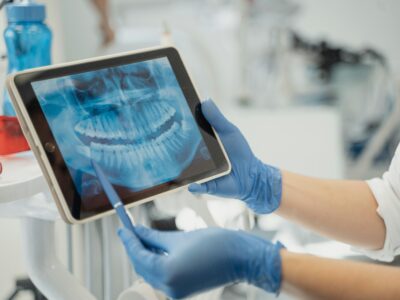
A crown can feel fine and still need attention. That is why routine visits matter. Your dentist is checking more than whether the crown is still attached. They are checking the margin, the bite, the contact with neighboring teeth, the health of the gums, and in some cases the root and bone on X rays.
This is where many expensive problems are caught early. A little cement washout, a slight opening at the edge, or a bite imbalance can often be managed before it turns into decay, pain, or replacement of the crown. Hygienists also play an important role here. They can spot plaque retention patterns and show you where your cleaning is missing the mark.
For patients searching for long term success with Dental Crowns Oxnard CA dentists place, consistency with maintenance often makes the difference between a crown that lasts a very respectable number of years and one that fails ahead of schedule.
What can shorten the lifespan of a crown
No dentist can promise an exact lifespan for a crown because mouths vary too much. The average numbers you may hear are just averages. Some crowns last far longer than expected. Some need replacement sooner. The factors that influence longevity are usually practical.
A crown on a back molar that absorbs heavy chewing forces has a different workload than a crown on a front tooth. A patient with dry mouth from medication has a different risk profile than someone with strong saliva flow and low cavity risk. Someone who had very little tooth structure left before the crown was placed may face different long term realities than someone whose tooth needed only moderate reinforcement.
Small habits add up. So do life changes. Pregnancy, new medications, reflux, sleep problems, orthodontic changes, and shifts in gum health can all affect how a crowned tooth performs over time. That does not mean crowns are fragile. It means they live in a changing environment.
Signs that deserve a call to your dentist
A lot of crown problems start with subtle clues. People often wait because they hope the tooth will “settle.” Sometimes that happens. Sometimes a simple issue turns into a cracked tooth, a lost crown, or decay under the margin.
Reach out if you notice any of the following:
- Pain when biting down or releasing pressure
- Persistent sensitivity that lasts more than a week or starts suddenly after a period of comfort
- Bleeding, swelling, or a foul taste around the crowned tooth
- Floss catching, shredding, or a rough area you can feel with your tongue
- A crown that feels loose, high, or different when you chew
Those symptoms do not always mean the crown needs to be replaced. A bite adjustment, polish, gum treatment, or recementation may be all that is needed. What matters is getting an informed look before the problem evolves.
If a crown comes off, what to do next
It happens. Sometimes the crown was on an older tooth with limited retention. Sometimes decay weakened the tooth underneath. Sometimes a very sticky food or an old cement seal finally gives way.
If a crown comes off, keep it safe and call your dental office promptly. Avoid chewing on that side. Do not assume the crown can simply be popped back into place at home. The fit needs to be checked, the tooth inspected, and the cause understood. If the crown came off because the underlying tooth changed shape due to decay or fracture, forcing it back on can make the situation worse.
If the exposed tooth is sensitive, you can avoid very hot, very cold, and very sweet foods until you are seen. Time matters because an uncovered prepared tooth may shift slightly, and that can make reattachment more difficult if too many days pass.
Cosmetic expectations versus functional reality
Many patients understandably focus on appearance, especially with front teeth. A well matched crown can look excellent, but care should still prioritize function. Tiny cosmetic concerns, such as a slight difference in translucency under certain lighting, are very different from functional problems like an unstable bite or recurrent gum irritation.
This comes up after whitening too. Natural teeth respond to whitening, but crowns do not whiten the same way. If you whiten your teeth after getting a crown, the surrounding teeth may become lighter while the crown stays the same shade. That is not a maintenance failure. It is simply how restorative materials behave. If you are planning cosmetic changes, coordinate them with your dentist rather than treating the crown as an afterthought.
Special considerations for older crowns
Crowns that have been in place for many years deserve a little extra respect. They may still be serving well, but the cement, margin, and surrounding gum tissue have all been exposed to years of chewing, brushing, temperature swings, and bacterial challenge. A crown does not need to look broken to be reaching the point where close monitoring matters.
Older crowns sometimes develop dark lines at the margin, especially porcelain fused to metal restorations near the front. That can be cosmetic, but it can also be a clue that the gumline has shifted or the edge of the restoration is more visible. On back teeth, an older crown may look fine from above while decay is starting at the side where it is harder for you to see. That is another reason routine X rays and exams remain useful long after the novelty of treatment has worn off.
Choosing products wisely at home
Patients often ask whether they need special toothpaste for crowns. Usually, the answer depends more on your overall mouth than on the crown alone. If you are cavity prone, fluoride toothpaste is a smart baseline. If your gums tend to bleed, your dentist may suggest an antimicrobial rinse or more focused interdental cleaning. If you have dry mouth, products that support moisture and reduce cavity risk may matter more than any crown specific item.
Be cautious with hard bristle brushes and abrasive whitening products. They can contribute to gum recession and wear at the margins. A recession line near a crown can expose the root of the tooth and make the area more sensitive and harder to keep clean. Gentle care is not weak care. It is usually the most effective long term approach.
The local factor in Oxnard
Living in Oxnard means different people bring different habits and lifestyles into the dental chair. Some are active and sip sports drinks all day. Some work long hours and clench through stress. Some spend Dental Crowns Oxnard CA omnidentalspecialty.com weekends surfing or outdoors and reach for convenience snacks, bars, and acidic beverages more often than they realize. None of that means a crown will fail, but local routines shape oral health in practical ways.
For patients looking into Dental Crowns Oxnard CA practices provide, or for those who already have crowns and want to protect their investment, the smartest approach is realistic, not perfect. Brush thoroughly. Floss carefully. Show up for maintenance. Use a guard if you grind. Pay attention when something feels different. Those habits are far more important than chasing miracle products or assuming the crown can take unlimited abuse.
A good crown should make your life easier, not more stressful. With steady care and timely follow up, most crowns do exactly that. They let you chew comfortably, smile confidently, and stop thinking about that tooth every day, which is really the mark of treatment that is working as it should.
Omni Dental Specialty
1690 E Gonzales Rd
Oxnard, CA 93036, United States
Phone: +1 805-410-9603
FAQ About Dental Crowns Oxnard CA
What is the average cost of a crown in California?
The fee depends on the crown material, tooth condition and any additional treatment. Request an itemized estimate from Omni Dental Specialty after an examination, and confirm insurance benefits before scheduling.
How long do dental crowns last?
Longevity varies with the material, fit, oral hygiene and biting habits. Regular dental reviews help identify wear, damage or decay. A crown does not need replacement solely because it reaches a particular age.
Do teeth go bad under crowns?
Decay can develop in the remaining natural tooth, particularly near the crown margin. Brush with fluoride toothpaste, clean between teeth daily and keep dental appointments. Report new pain or looseness promptly.
Which crown is best for bruxism?
No material suits everyone. Your dentist assesses grinding, tooth position, bite forces and appearance before recommending a crown. A protective appliance may also be recommended to manage stress on the restoration.