Dental Crowns Oxnard CA: Everything About the Procedure
A dental crown is one of those treatments people have usually heard of long before they need one. Many picture a simple cap placed over a damaged tooth, and in broad terms that is true. In practice, a crown is a carefully designed restoration that protects a weakened tooth, restores bite strength, and often improves appearance at the same time. When done well, it should feel ordinary fast. You should be able to chew, speak, and smile without thinking about it.
For patients researching Dental Crowns Oxnard CA, the real questions are rarely basic. Most people want to know whether the procedure hurts, how long it takes, what material makes sense, and whether a crown is truly necessary or just one option among several. Those are sensible questions. A crown represents an investment of time, money, and trust, and it works best when the decision is made for the right reason.
The good news is that crown treatment is highly routine in modern dentistry. The finer details matter, though. The tooth being treated, the amount of structure left, whether a root canal has been done, how your bite lines up, and even habits like grinding or chewing ice can change the plan.
What a dental crown actually does
A crown covers the visible portion of a tooth above the gumline. Its main purpose is protection. If a tooth has a large filling, a crack, heavy wear, or deep decay, it can become structurally compromised. At that stage, simply patching the area may not be enough. The tooth needs reinforcement around its full circumference, not just a repair in one spot.
Crowns also restore form and function. Back teeth handle heavy chewing forces, and front teeth need to look natural under changing light. A good crown respects both jobs. It should fit at the gumline without trapping plaque, contact neighboring teeth properly so food does not wedge, and meet the opposing tooth in a way that feels balanced when you bite.
In day-to-day practice, crowns are often recommended after a tooth has broken, after a large old filling starts leaking, or after root canal treatment. A root canal-treated tooth can become more brittle over time because so much internal structure was already lost to decay, trauma, or previous dental work. That does not mean every tooth that has had a root canal automatically needs a crown, but many do, especially molars and premolars that take the brunt of chewing.
When a crown is the right choice
Dentists do not recommend crowns lightly because more tooth structure is reshaped compared with a small filling. The goal is to preserve teeth for the long term, not just solve today’s problem. A crown tends to make sense when a tooth is no longer predictable with a simpler restoration.
Here are a few common situations where crowns earn their place:
- A tooth has a large cavity or filling and not enough healthy enamel remains to hold another filling securely.
- A tooth is cracked, fractured, or heavily worn from grinding.
- A root canal-treated tooth needs protection from future breakage.
- A misshapen or severely discolored tooth needs full coverage for appearance and function.
- A dental implant needs a final visible tooth on top of the implant post.
There are edge cases, and they matter. For example, some cracks can be monitored if they are shallow and symptom-free. Some very damaged teeth, on the other hand, are beyond restoration and may be better treated with extraction and replacement. The best crown decisions come from examining the tooth in person, reviewing X-rays, and testing symptoms rather than making assumptions from a mirror selfie or a quick internet search.
The types of crowns most patients hear about
Most crowns fall into a Dental Crowns Oxnard CA few broad material categories, and each comes with trade-offs. There is no universal best material. The right one depends on where the tooth sits, how much force it handles, cosmetic priorities, and the condition of the tooth underneath.
Porcelain or ceramic crowns are popular because they can look very natural. They reflect light in a way that resembles enamel, which makes them a common choice for front teeth. In many cases they also work well on back teeth, particularly newer high-strength ceramics. Appearance is their strongest advantage, but material selection must account for bite pressure and the amount of room available between the upper and lower teeth.
Zirconia crowns are known for strength and durability. They are often used on molars, for people who clench or grind, or in cases where a robust restoration is needed. Early zirconia could look a bit opaque, but newer formulations can be more lifelike than many patients expect.
Porcelain-fused-to-metal crowns combine a metal base with a porcelain exterior. They have a long track record. The trade-off is that the porcelain can chip and, over time, a dark line near the gum may become visible in some cases, especially if the gums recede.
Gold and other metal alloy crowns are less common today because many patients prefer tooth-colored dentistry, but from a functional standpoint they remain excellent in selected back teeth. They are durable, gentle on opposing teeth, and require less tooth reduction than some ceramics. Patients who choose them usually value longevity over appearance.
What happens at the first appointment
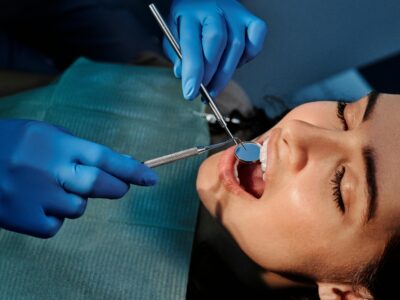
If you need a crown, the first visit usually includes diagnosis, local anesthesia, tooth preparation, and either a digital scan or a traditional impression. The tooth is reshaped so the final crown can fit over it with the right thickness and contour. That preparation step sounds more intimidating than it feels because the area is numbed thoroughly beforehand.
Dentists typically remove any decay, evaluate old filling material, and check whether the tooth is strong enough to support a crown directly. Sometimes a build-up is needed first. A build-up is filling material used to replace missing internal structure so the crown has a stable foundation. If the tooth is significantly broken down, the dentist may also discuss whether a post is necessary, particularly after root canal treatment. Posts can help retain a core in certain situations, but they are not routine for every case.
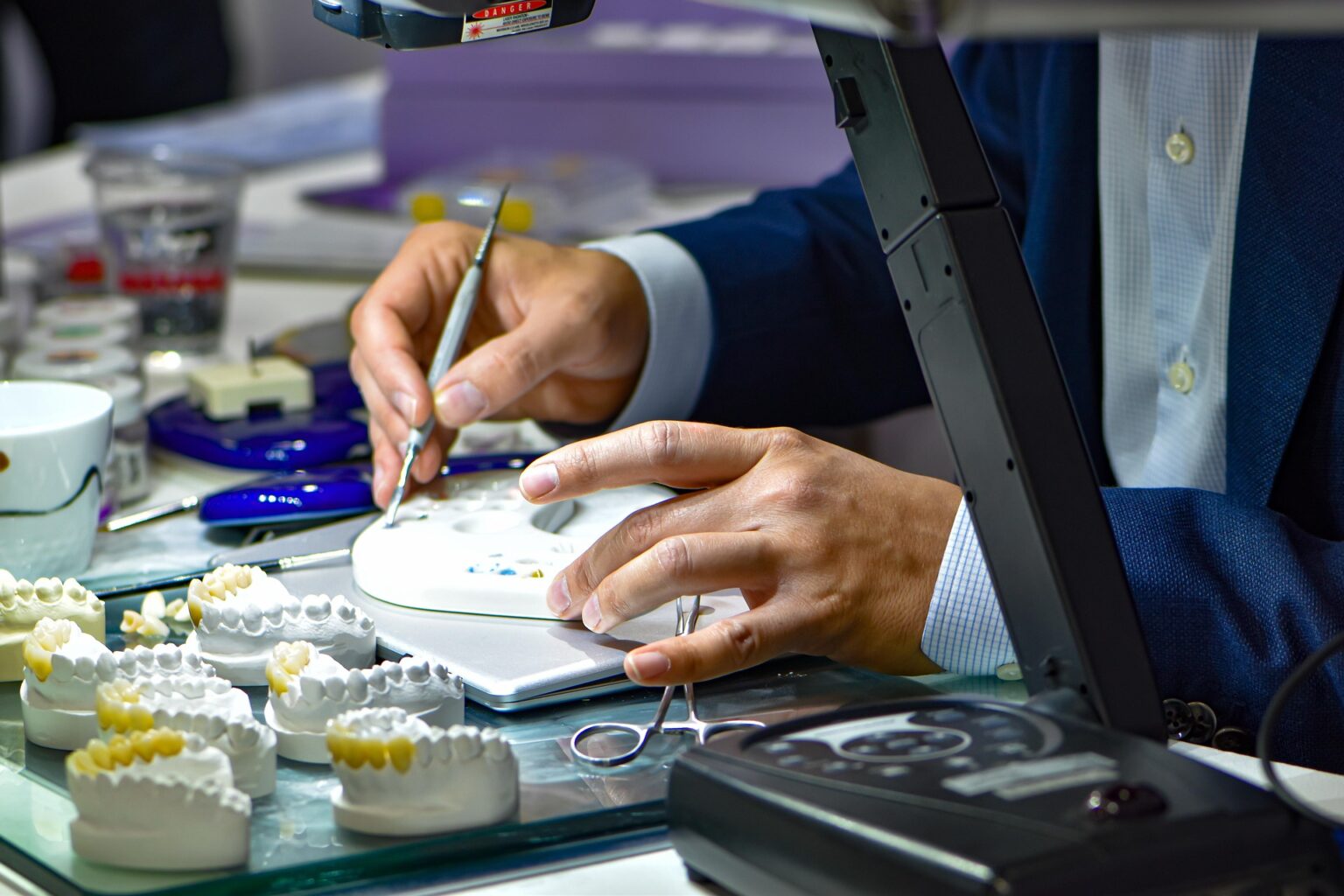
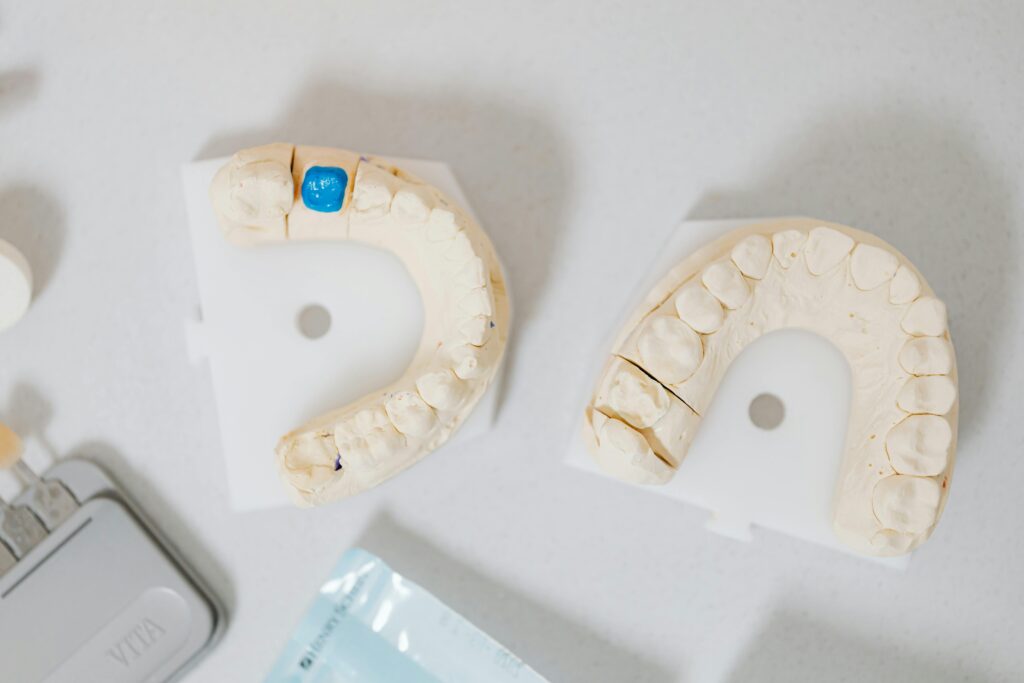
Once the tooth is prepared, an impression or digital scan is made. Digital scanning has become common because it is cleaner and often more comfortable than impression trays filled with material. The scan captures the shape of the prepared tooth, nearby teeth, and your bite. That information goes to a dental lab or, in some offices, to an in-house milling system.
A temporary crown is then placed unless a same-day crown is being made. Temporaries matter more than many patients realize. They protect the tooth, help maintain tooth position, and let you function between visits. They are not meant to be perfect replicas of the final crown, but they should feel reasonably secure and serviceable.
The wait between visits
For a lab-made crown, the time between appointments is often one to three weeks, depending on the office workflow and the complexity of the case. During that stretch, it is normal to be aware of the temporary crown. It may feel slightly different from your natural tooth. Mild sensitivity to cold or pressure can happen, especially if the tooth was irritated before treatment.
This is also when practical habits matter. Sticky foods can dislodge temporary crowns. Caramels, chewing gum, and very crusty bread have a reputation for causing trouble. If a temporary comes off, call the dental office promptly. In many cases it can be re-cemented without drama, but leaving it off too long can allow the tooth to shift, which complicates seating the final crown.
Patients often ask whether pain after the preparation visit means something went wrong. Not necessarily. A tooth that had deep decay, an old leaking filling, or a crack can stay inflamed for a while even after it has been treated. Usually that sensitivity settles. If pain intensifies, lingers at night, or becomes spontaneous and throbbing, the tooth may need reevaluation. That is not common, but it is real, and a good dentist will tell you up front that a small percentage of crowned teeth later need root canal treatment because the nerve was already compromised.
The second appointment, where the crown is placed
At the delivery visit, the temporary crown is removed and the final crown is tried in. This is where precision shows. The dentist checks the fit at the margins, the contact with neighboring teeth, the bite, the shade, and the contour near the gum. Tiny adjustments are common. Even well-made crowns may need bite refinement because your jaw is dynamic, not static.
If everything looks and feels right, the crown is cemented or bonded in place, depending on the material and the clinical situation. After placement, the bite is checked again. A crown that is even slightly too high can create a lot of annoyance. Patients describe it as the tooth “hitting first” or feeling bulky. Those adjustments are usually straightforward, and it is better to mention them immediately than to hope the feeling disappears on its own.
Once the anesthesia wears off, the tooth should begin to feel more natural over a few days. If you have had a cracked tooth crowned, the relief can be dramatic. People who had been chewing on one side for months often realize only afterward how much they had adapted to discomfort.
Does the procedure hurt?
This is usually the first question out loud, even if it was not the first question in a patient’s head. During the procedure itself, modern local anesthesia is very effective. Most patients feel pressure and vibration, not pain. If you are anxious, many offices offer comforts such as topical anesthetic before the injection, nitrous oxide, or oral sedation in selected cases.
Afterward, some soreness is possible. The injection site can feel tender, the gum around the tooth may be irritated, and the tooth can be mildly temperature-sensitive for a short period. Over-the-counter pain relievers are often enough, assuming your physician says they are safe for you. Strong persistent pain is not expected, and it is worth reporting.
In real clinical life, the experience is often easier than patients imagine. Many are surprised that the crown process is less dramatic than the pain or inconvenience that drove them into the office in the first place.
How long crowns last in the real world
Patients naturally want a number. The honest answer is that crowns can last many years, often well over a decade, but lifespan depends on variables that no dentist fully controls. Oral hygiene, grinding, bite forces, diet, decay risk, and gum health all matter. A beautifully made crown can fail early if decay starts at the margin because plaque sits undisturbed there. A modest-looking crown on a patient with excellent hygiene and a stable bite can last a very long time.
The tooth under the crown is just as important as the crown itself. Cement can wash out over time. Margins can become exposed if gums recede. If a patient has dry mouth from medication, cavity risk rises sharply, especially around older restorations. These are not flaws in the concept of crowns. They are reminders that a crown is not armor plating. It is a restoration in a living mouth.
A practical benchmark many dentists discuss is that a crown should be thought of as a long-term restoration, not a lifetime guarantee. Some last seven to ten years, many last longer, and some fail earlier because of fracture, decay, or changes in the underlying tooth.
Cost, value, and why prices vary
The fee for Dental Crowns Oxnard CA varies by office, material, lab quality, complexity, and whether related procedures are needed. A straightforward crown on a tooth with plenty of structure is different from a crown that also requires removal of decay, a build-up, gum management, or coordination after root canal treatment. Insurance may help, but coverage details differ widely, and annual maximums often lag behind current dental costs.
Patients understandably compare prices. That is reasonable, but the cheapest quote is not always the least expensive choice over time. Crown success depends on diagnosis, preparation design, bite management, material selection, and lab craftsmanship. If any of those are off, the crown may feel wrong, trap food, inflame the gum, or fail prematurely.
Value in crown dentistry is not just the visible result. It is also the absence of headaches six months later.
Problems that can happen, even with good treatment
No dental procedure is completely free of risk, and crowns are no exception. Most go smoothly, but it helps to know the possible snags. A temporary crown can loosen. The final crown may need bite adjustment. Some teeth remain sensitive longer than expected. Occasionally a tooth later needs root canal treatment because the nerve never recovered from prior damage.
There are also technical concerns that patients may not notice immediately. A margin that is hard to clean can inflame the gum. An open contact can let food pack between teeth. Excessive bite force on a crown can cause discomfort in the tooth or the jaw joint. None of this means crowns are unreliable. It means follow-up matters, and small issues are easiest to fix early.
A patient who grinds at night deserves special mention. Bruxism shortens the life of both natural teeth and restorations. In those cases, a night guard is not a sales extra. It is often the difference between preserving the investment and chipping it.
Caring for a new crown
Crowns do not require exotic maintenance, but they do require disciplined basics. The crown itself cannot decay, yet the tooth at the margin can. Good home care protects the seam where crown and tooth meet.
A few habits make a measurable difference:
- Brush thoroughly twice a day with a fluoride toothpaste, paying attention to the gumline around the crown.
- Floss daily, sliding the floss carefully against the sides of the tooth rather than snapping it into the gum.
- Avoid chewing ice, popcorn kernels, pens, and other hard objects that can crack porcelain or stress the tooth underneath.
- Wear a night guard if you clench or grind, especially if your dentist has already seen wear patterns.
- Keep recall visits and X-rays on schedule so early problems are found before they become expensive ones.
One detail patients appreciate hearing is that a crown should not become a “special” tooth forever. After the brief adjustment period, it should be part of your normal routine. If months go by and it still feels unusual, catch food constantly, or stays temperature-sensitive, ask for it to be checked.
Same-day crowns versus lab-made crowns
Some Oxnard dental offices offer same-day crowns using in-office scanning and milling systems. Others send the case to a dental lab and place the final crown at a second appointment. Both approaches can work very well.
Same-day crowns are convenient. They eliminate the temporary crown and reduce the chance of the tooth shifting between visits. That is a genuine advantage for busy patients and for anyone who dislikes temporary restorations.
Lab-made crowns still have strong appeal, especially for complex cosmetic cases or demanding bite situations. A skilled lab technician can customize anatomy, shade layering, and contour with remarkable precision. In many offices, lab collaboration remains the best route for front teeth where subtle appearance matters most.
This is not really a contest between old and new. It is a matter of matching the Dental Crowns Oxnard CA method to the case and using the system well.
Questions worth asking before you commit
Patients do better when they understand the why behind treatment. If a crown has been recommended, ask what problem it is meant to solve. Is the tooth cracked, structurally weak, heavily filled, or post-root canal? Ask whether there are alternatives, what material is being recommended, and what risks exist if you wait.
You can also ask how much healthy tooth structure remains. That answer often tells you more than the word “crown” itself. A tooth with strong surrounding walls is a different situation from a tooth that is mostly old filling with thin enamel left around it.
Good dentistry is rarely about memorizing one rule. It is about weighing durability, appearance, cost, and biological reality in a specific mouth.
Finding the right fit in Oxnard
If you are looking into Dental Crowns Oxnard CA, focus on more than availability and price. Look for a dentist who explains findings clearly, shows you the X-rays or photos when possible, and is willing to discuss alternatives without pressure. Crowns are common, but they are not interchangeable commodities.
The best crown appointments tend to feel unhurried in the ways that count. The diagnosis is thoughtful. The numbing is gentle. The bite is checked carefully. Follow-up is easy if something feels off. Those details rarely make the ad copy, yet they shape the entire experience.
For many people, a crown marks the point where a problem tooth stops dominating daily life. Chewing becomes easier. The fear of another fracture fades. The restoration blends into the rhythm of ordinary routines, which is exactly what successful dentistry is supposed to do.
Omni Dental Specialty
1690 E Gonzales Rd
Oxnard, CA 93036, United States
Phone: +1 805-410-9603
FAQ About Dental Crowns Oxnard CA
What is the average cost of a crown in California?
The fee depends on the crown material, tooth condition and any additional treatment. Request an itemized estimate from Omni Dental Specialty after an examination, and confirm insurance benefits before scheduling.
How long do dental crowns last?
Longevity varies with the material, fit, oral hygiene and biting habits. Regular dental reviews help identify wear, damage or decay. A crown does not need replacement solely because it reaches a particular age.
Do teeth go bad under crowns?
Decay can develop in the remaining natural tooth, particularly near the crown margin. Brush with fluoride toothpaste, clean between teeth daily and keep dental appointments. Report new pain or looseness promptly.
Which crown is best for bruxism?
No material suits everyone. Your dentist assesses grinding, tooth position, bite forces and appearance before recommending a crown. A protective appliance may also be recommended to manage stress on the restoration.